Calendars? Fascinating stuff, right? Especially when you stumble upon something like the 2027 Julian Calendar. It’s not just about ticking off days; it’s about how we map out our lives. Knowing the 2027 Julian Calendar’s quirks? That’s gold for anyone trying to get ahead.
Understanding the 2027 Julian Calendar
So, Julius Caesar cooked up the Julian Calendar way back in 46 BC. Now, most of us live by the Gregorian calendar, but the Julian system? It still pops up in some religious circles and cultural pockets. And get this, for 2027, the Julian Calendar lines up in some pretty neat ways with how we track time now.
Here’s a kicker: the Gregorian calendar has fancy leap year rules, but the Julian? It just slaps an extra day in every four years, no questions asked. This makes it drift a bit from the solar year. So, really looking at the 2027 Julian Calendar layout? Could totally change how you plan stuff.
Why 2027 Stands Out in the Julian Calendar
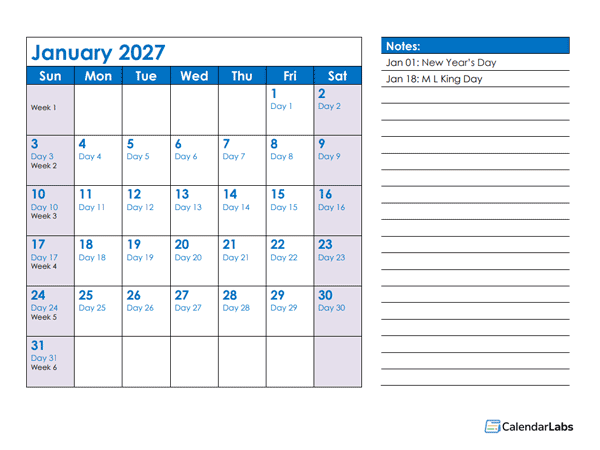
Get this: 2027 is a 53-week year in the Julian calendar. Wild, right? Most years only have 52. It’s a small change, but it messes with how we count weeks and map out our entire schedule.
Why 53 weeks? Easy. The 2027 Julian Calendar kicks off on a Thursday and wraps up on a Thursday. This specific arrangement just tacks on an extra week. Want the nitty-gritty? Check out Timeanddate for a killer visual.
2027 Julian Calendar Leap Year Status
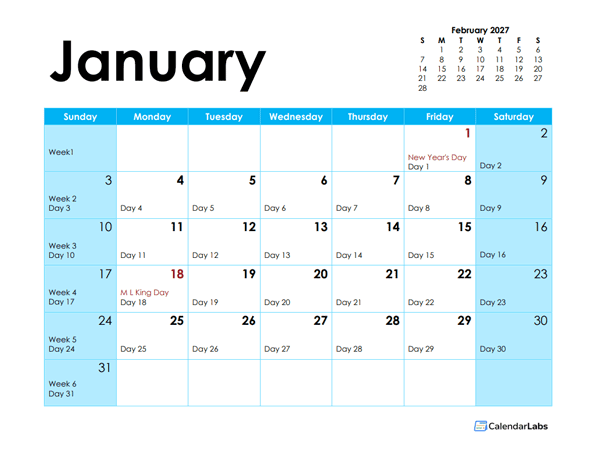
Will 2027 be a leap year in the Julian calendar? Nope. It’s simple: leap years happen every four years, like clockwork. Since 2024 is the next one after 2023, 2027 just chills as a regular, common year.
This steady rhythm really helps with planning, especially if your group sticks to the Julian calendar. If you’re curious how this stacks up against Gregorian leap years, Aa has the solid astronomical facts you need.
How to Use the 2027 Julian Calendar for Effective Planning
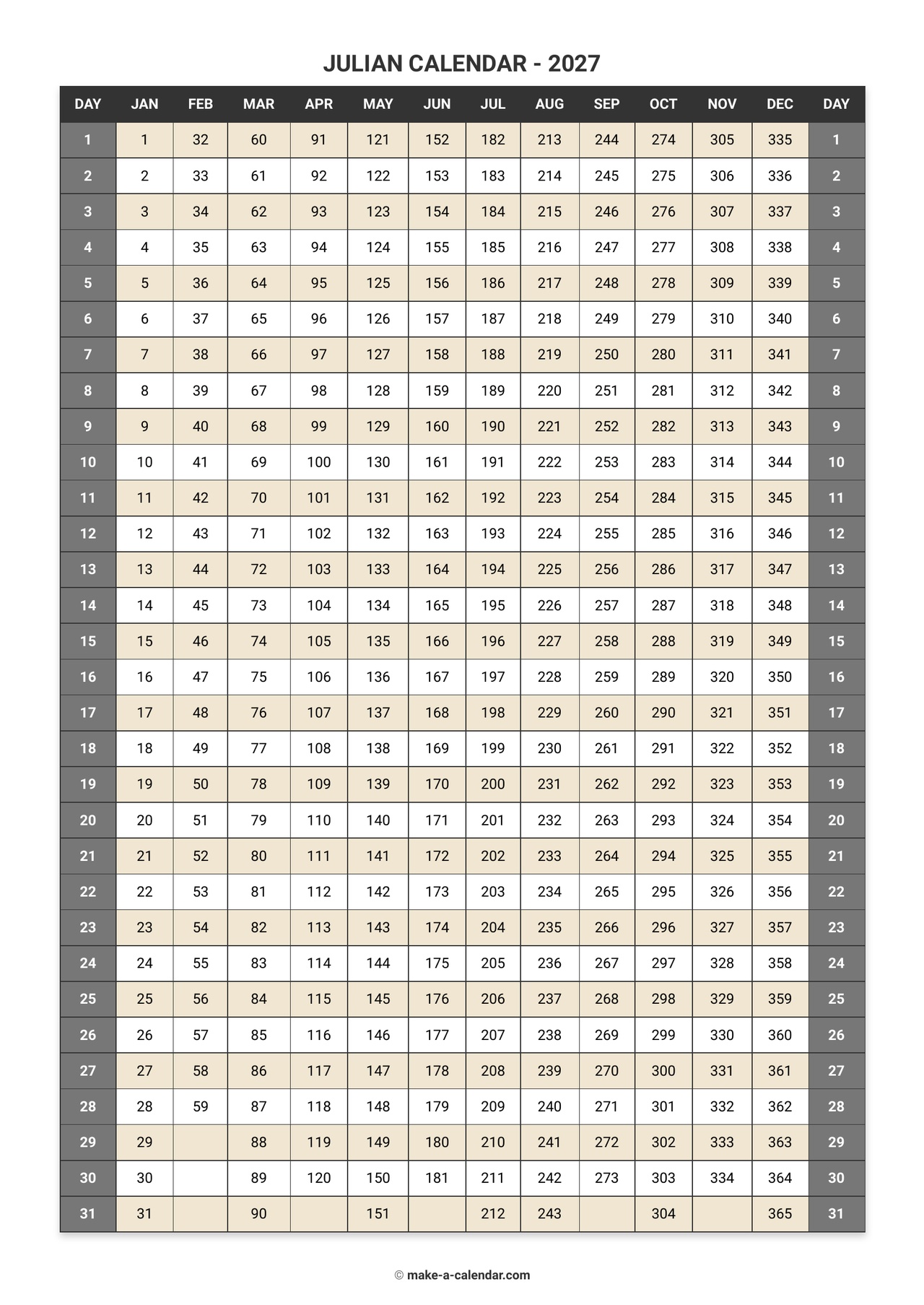
Seriously, to actually *use* the 2027 Julian Calendar well, you gotta get a handle on its weeks and how it differs from the Gregorian. This isn’t just trivia; it’s vital for mapping out big projects, school terms, or even just marking important cultural dates.
You know what helps? Printing out a Julian calendar. Seriously, it makes visualizing your time blocks so much easier. Use nice paper, grab some colored pens for key dates. For families, marking up a 2027 Julian calendar with school holidays or religious feasts? Total game-changer for staying organized.

Seasonal Shifts Visible in the 2027 Julian Calendar
The Julian Calendar makes seasonal dates creep earlier over time compared to the Gregorian. Think of your equinoxes and solstices — they’ll be a bit sooner on the Julian. So in 2027, this really matters if you’re planning farming or observing solar-related religious holidays.
When you’re mapping out activities based on seasons, gotta remember this drift. Want the exact dates for solar events? Calendarlabs breaks down all the Julian calendar holidays and events for you.
Printing Tips for Your 2027 Julian Calendar
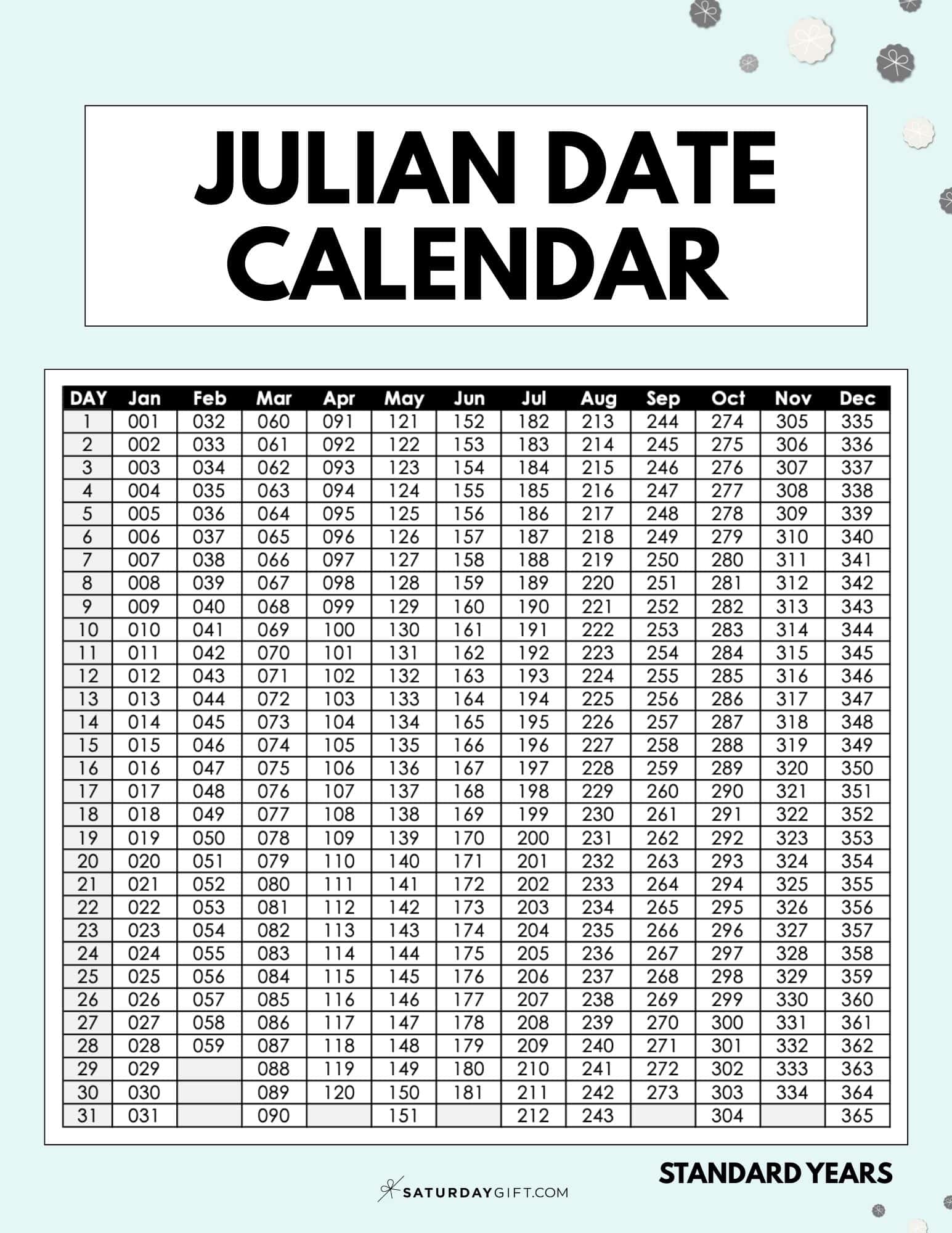
Want your 2027 Julian calendar to look sharp and last? Print it on chunky, matte paper. Seriously, no ink bleed here. A laser printer gives you the cleanest text. Then, slap different colored highlighters on weekends and holidays for instant recognition.
Stick that calendar right on your workspace wall or desk. Keep it visible! You’ll effortlessly track deadlines and appointments without even thinking about it.

Best Practices for Desk Planning with the 2027 Julian Calendar
Desk calendars using the Julian format can really boost your focus. Break tasks down week by week. Use those little sticky notes for what’s urgent today, and get that satisfying feeling crossing stuff off. Make sure your schedule fits that 53-week flow to keep confusion away.
Pairing this analog approach with digital alerts? That’s the ticket to never missing a beat, especially when the Julian calendar is still the standard where you are.
Comparing the 2027 Julian Calendar and Gregorian Calendar
Both calendars are chugging along, often at the same time, but they’re different beasts when it comes to weeks and leap years. The Gregorian calendar is smarter about its leap years, fixing the Julian’s drift over the centuries. It’s just more precise.
For anyone trying to organize stuff, knowing these differences can save you from some serious scheduling headaches, especially in international or religious settings.
Who Should Use the 2027 Julian Calendar?
Think Orthodox churches: they’re sticking with the Julian calendar for feast days, which means different dates than we see on the Gregorian. If you’re planning events for clients across the globe, you *need* to know Julian dates. Historians and astronomers digging into the past? They’ll be using it too.
Even students checking out history or how astronomy works can get a lot out of this calendar’s structure. It’s not just old news; it’s a different way of seeing time.
Psychological Benefits of Using a Julian Calendar in 2027
Switching gears and using a Julian calendar format for your planning? It can seriously shake up how you manage time. That weird 53-week layout? It makes you rethink deadlines and how you pace projects. Less burnout, more even workload distribution across all those weeks.
This kind of structured approach is basically time-blocking 101, a proven method for locking in focus and kicking procrastination to the curb.
Practical Scenarios for Using the 2027 Julian Calendar
- Business project milestones aligned with the 53-week year
- Family holiday planning with religious observances
- Academic term scheduling in institutions following Julian dates
- Astronomical event tracking based on Julian dates
Using the Julian calendar in these specific areas can totally clear things up and cut down on mix-ups.
Integrating the 2027 Julian Calendar with Digital Tools
Now, the Julian calendar is mostly analog, but you *can* sync its dates into your digital planners. Just do a custom calendar import. It’s a sweet hybrid that gives you modern alerts with that classic layout.
Apps like Google Calendar let you manually input stuff or even hook up to special calendar feeds. This way, no Julian date slips through the cracks.
What’s Outdated: Why Traditional Julian Calendars Need Modern Updates
The Julian calendar’s lack of sophisticated leap year corrections means it slowly drifts out of sync with the seasons. If you’re relying on it solely for farming or serious astronomy today, you’re gonna hit some snags.
Modern systems like the Gregorian calendar track Earth’s orbit way better. But hey, the Julian calendar is still relevant for cultural reasons. The smart move? Use both in your planning. It’s the most sensible way forward.
Expert Tips for Using the 2027 Julian Calendar
- Mark the start and end of the 53 weeks clearly to avoid confusion.
- Use color-coding for weekends and holidays to enhance readability.
- Keep a digital backup of your schedule with Julian dates for accessibility.
- Review seasonal shifts to adjust plans for weather-dependent activities.
Follow these tips, and your 2027 planning will be sharp as a tack and totally manageable.
Common Misconceptions About the 2027 Julian Calendar
Here’s a common misconception: people think the Julian calendar is totally useless now. Nope! It’s still super important for lots of traditions. Another mistake? Thinking 53 weeks means a longer year. Nah, it’s just a different way of counting weeks.
Getting these differences straight prevents scheduling fouls and makes sure everyone’s on the same page.
How to Print and Display Your 2027 Julian Calendar for Maximum Impact
Print your calendar out horizontally, landscape style. Wider boxes make dates easier to see. Use thicker cardstock if it’s going on the wall or your desk—it’ll last longer. Highlight important dates with bright markers or pens; it really pops.
Hang that calendar right where you see it constantly, near your desk. You’ll stay dialed in on upcoming weeks and deadlines without even glancing at a screen.
Frequently Asked Questions
What is special about the year 2027?
2027 is special because it contains 53 weeks in the Julian calendar, which is uncommon. This happens due to how the year starts and ends on a Thursday, causing an extra week to be counted compared to typical years.
Why does 2027 have 53 weeks?
The 53 weeks occur because the year begins on a Thursday and ends on a Thursday in the Julian calendar. This timing causes the calendar to stretch beyond the usual 52 weeks. Detailed week numbering can be checked on Timeanddate.
Will 2027 be a leap year?
No, 2027 will not be a leap year in the Julian calendar. Leap years occur every four years without exception, and since 2024 is a leap year, the next one after that is 2028.

Arden Leannon is a dedicated content writer focused on creating helpful and easy-to-understand resources about Calendar, important dates, yearly planning, and holiday information. With a passion for organized living and accurate content, Arden shares practical calendar insights designed to help readers stay informed throughout.